
Abu Dhabi's residential market recorded AED 70.4 billion in sales across 15,900 units in the first half of 2026, nearly triple the value of the same period last year. This activity was highly concentrated in four island districts—Hudayriyat, Saadiyat, Yas, and Al Reem alongside Al Maryah—which together accounted for roughly 71% of residential transaction value.
Hudayriyat Island
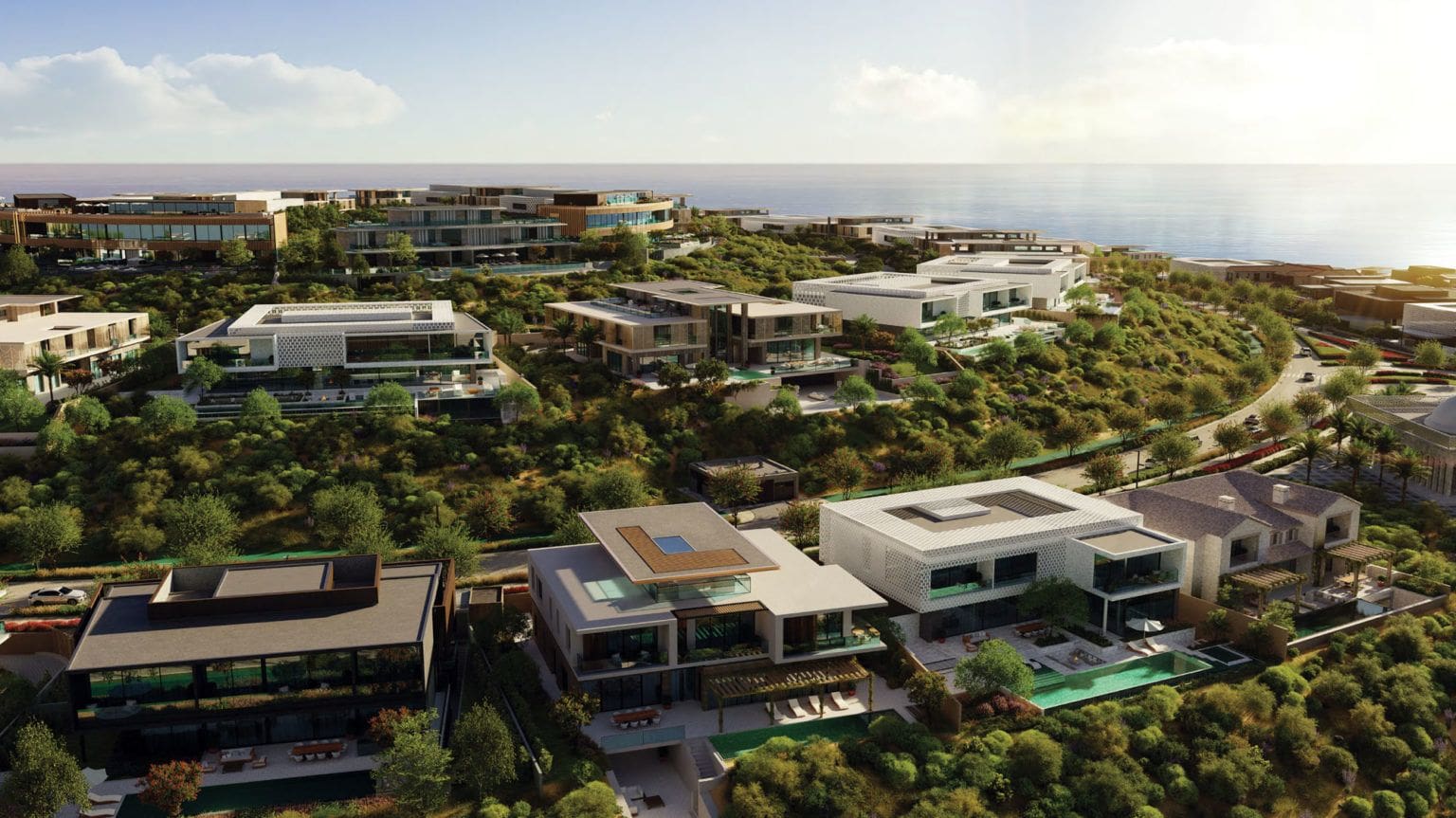
Outdoor lifestyle and off-plan developmentHudayriyat Island recorded the highest residential sales value of any district in H1 2026, generating AED 19 billion — a nearly eightfold increase year-over-year. This growth is driven by large-scale off-plan launches by Modon Properties.
The master plan is centered on outdoor recreation, featuring extensive beaches, cycling and running trails, and an 18-hole golf course. Housing consists primarily of low-density villas, townhouses, and low-rise apartments rather than high-rise towers.
The majority of the inventory on Hudayriyat is off-plan, with several communities currently in various stages of construction and handover. As a developing landmass, retail and commercial infrastructure is being delivered in phases alongside the residential communities. The island is currently connected to the mainland via a single bridge, which shapes the current traffic and logistics patterns for residents.
Saadiyat Island
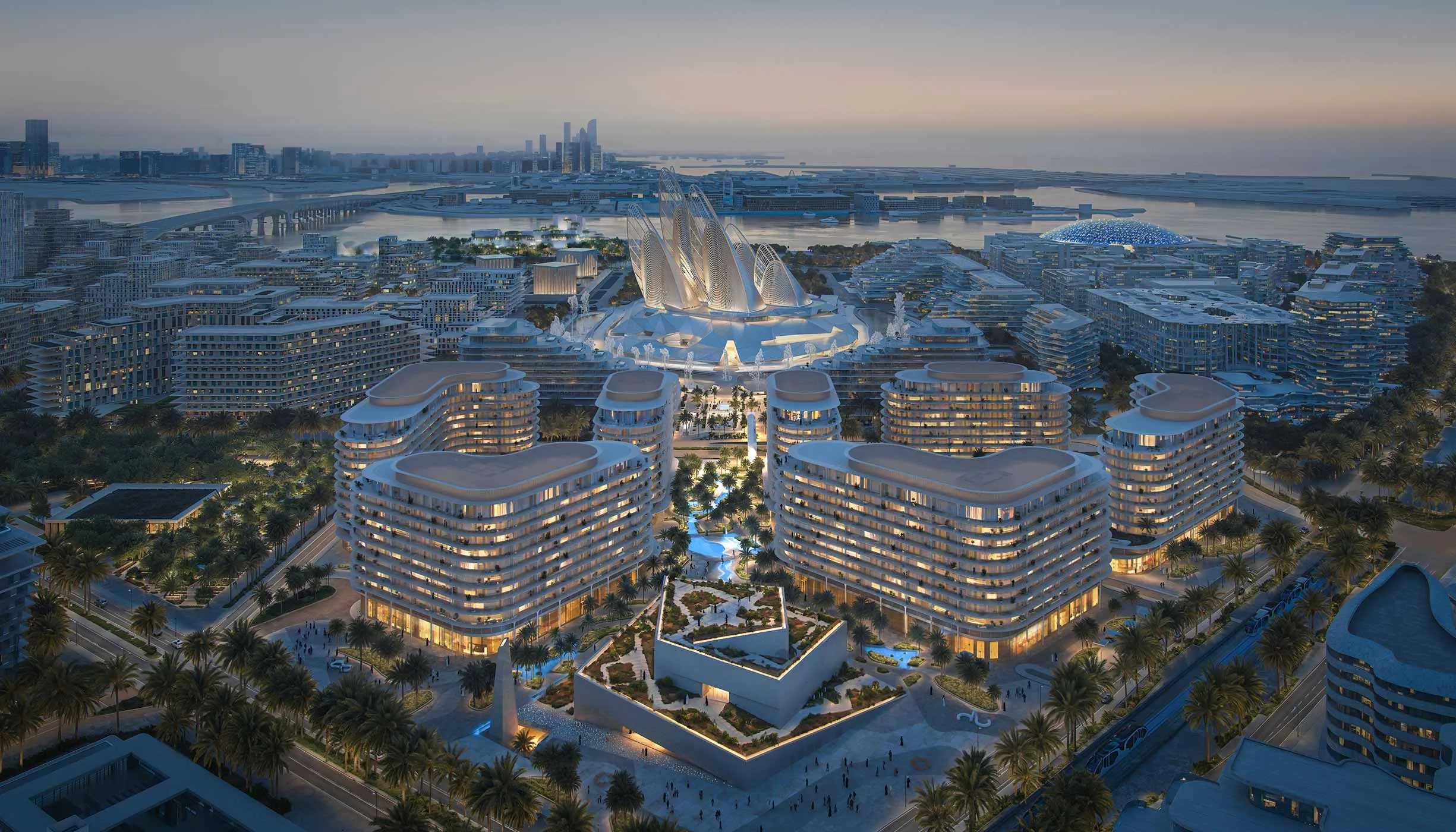
Premium pricing and cultural infrastructureSaadiyat Island remains Abu Dhabi's most expensive residential market, with AED 13.3 billion in sales and a 63% year-over-year increase.
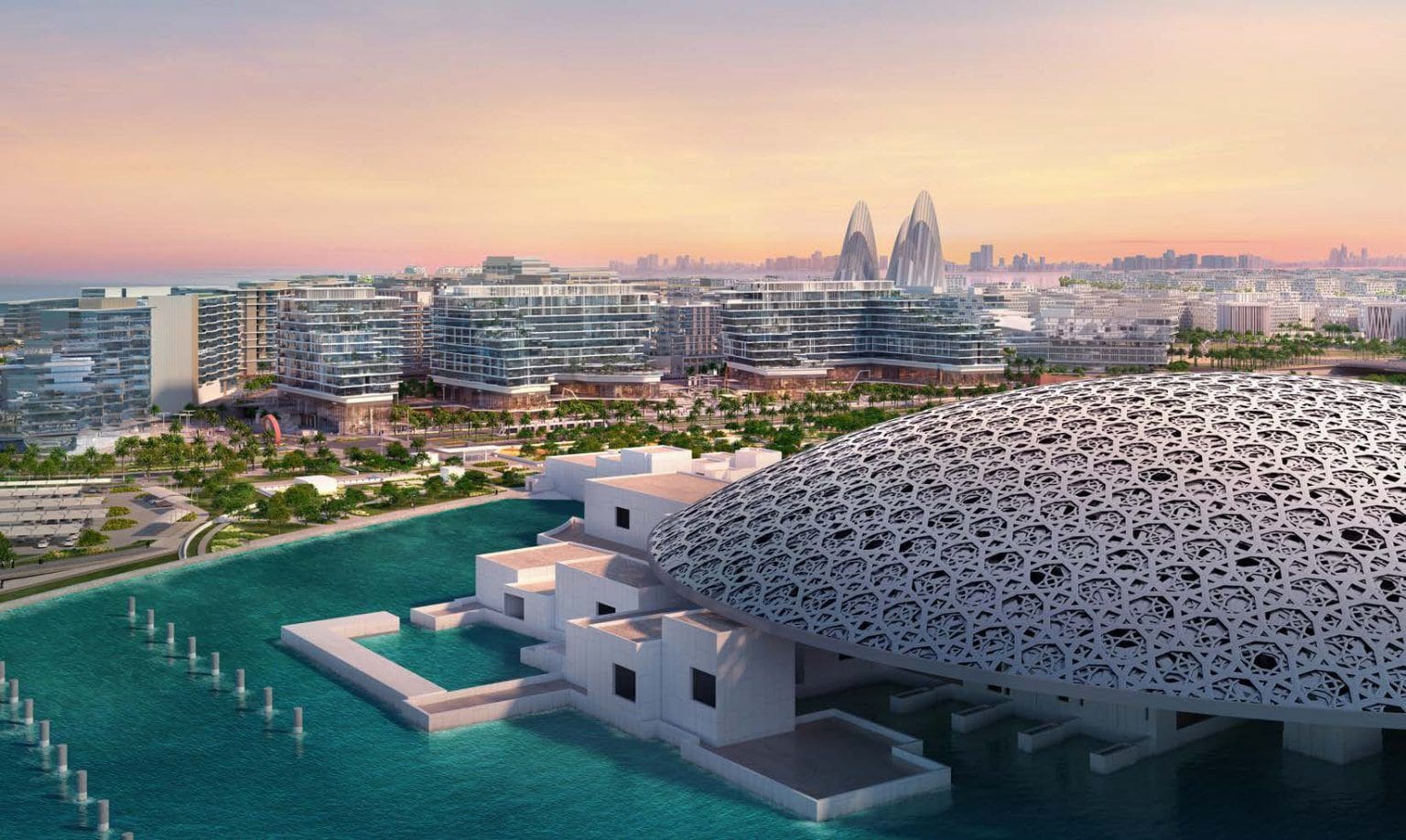
The district is anchored by cultural institutions that have no regional parallel, including the Louvre Abu Dhabi, the Guggenheim Abu Dhabi opening on 11 December 2026, and highly rated educational facilities like Cranleigh Abu Dhabi. The natural beachfront along the northern coast also serves as a primary driver for the premium pricing found here.
The market attracts buyers prioritizing long-term capital appreciation. Gross rental yields typically range between 4% and 5%, reflecting the higher entry price point. The district offers a mature mix of ready branded residences, active off-plan developments, and a secondary market, all supported by a finite supply of beachfront plots.
Yas Island
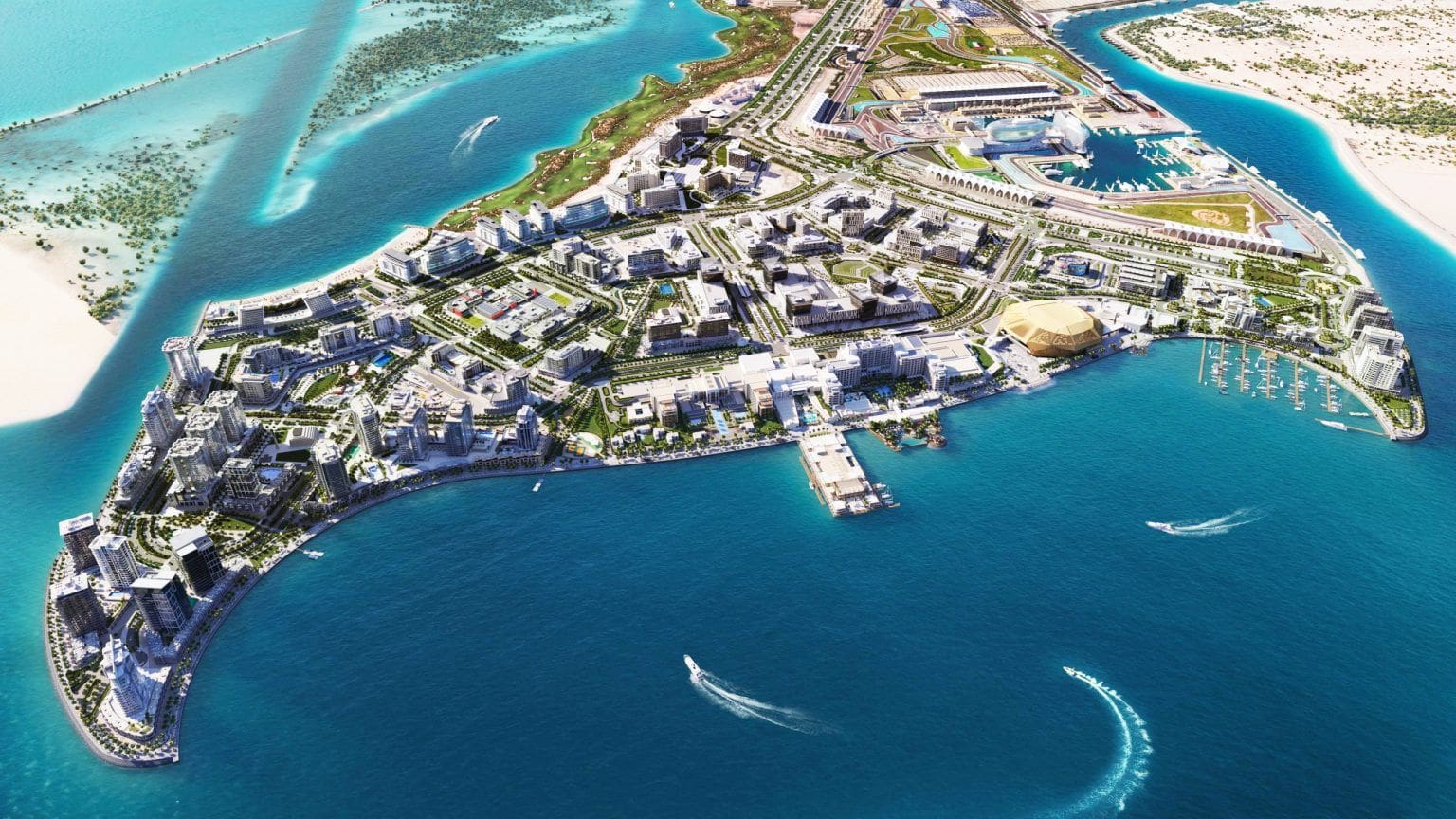
High rental yields and accessible entry pointsYas Island recorded AED 7.3 billion in residential sales, up 91% year-over-year. It serves as Abu Dhabi's primary entertainment and tourism hub, home to the F1 circuit, major theme parks, and large-scale retail centers.
The island features the broadest variety of developers and product types among the four districts, catering to a wide demographic from first-time buyers to investors.
Yas Island's tourism infrastructure drives strong short-term rental demand. The district also holds the largest upcoming residential supply pipeline in the emirate, with approximately 11,800 additional units expected by 2030. Buyers should consider the handover schedule of neighbouring projects when evaluating specific communities on the island.
Al Reem Island & Al Maryah Island
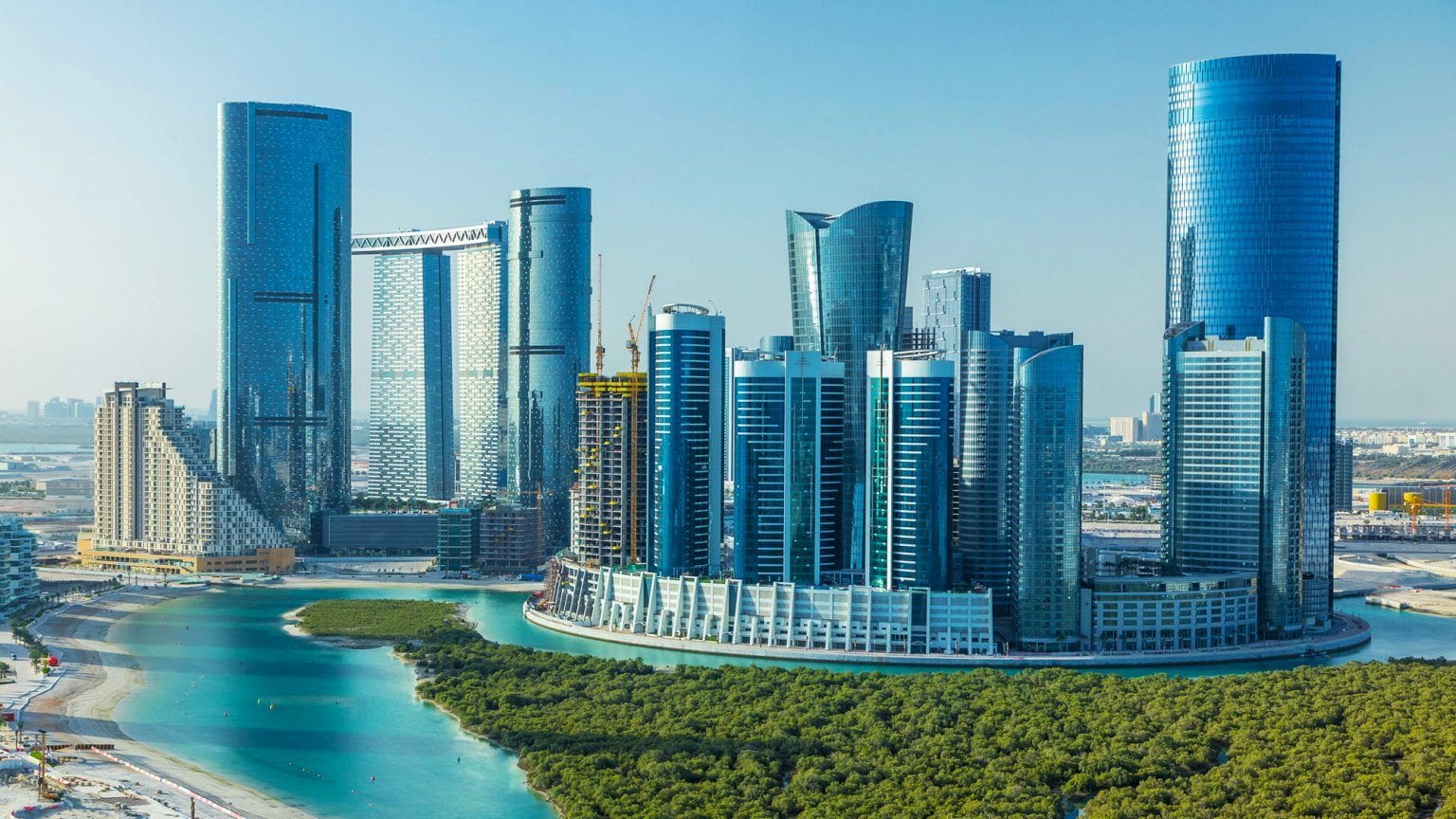
Immediate occupancy and ADGM jurisdictionGrouped under the Abu Dhabi Global Market (ADGM) jurisdiction, Al Reem and Al Maryah Islands generated AED 10.5 billion in combined sales, a 153% increase.
Al Reem serves as the emirate's densest freehold apartment hub with a mature, liquid secondary market of ready high-rise towers and retail anchors like Reem Mall. Al Maryah functions as the financial center, hosting premium branded residences and corporate headquarters.
This district is the primary market for buyers seeking ready-to-move-in stock for immediate occupancy or rental deployment. Operating under ADGM jurisdiction provides a distinct regulatory framework; most notably, these islands are exempt from the emirate-wide rental-increase freeze implemented in June 2026. This allows landlords to adjust rents in line with market conditions, a central feature for yield-focused investors.
Performance in Additional Districts
In addition to the primary market districts, several others recorded substantial transaction volumes during H1 2026. Ramhan Island, a villa-only development by Eagle Hills, reported AED 2.9 billion in sales. Fahid Island achieved comparable figures of AED 2.9 billion. As Aldar's newest masterplan, the development is positioned as Abu Dhabi's first wellness-focused island community, with over 6,000 residential units planned for full delivery by 2029. Ghadeer Al Tayr recorded AED 2.4 billion, driven primarily by the SHA Residences Emirates wellness community on the AlJurf coast. On the mainland, Zayed City contributed AED 1.9 billion, reflecting ongoing demand within the emirate's larger-scale emerging residential districts.
For the complete market data, including price indices, rental trends and supply forecasts, see the full Abu Dhabi Real Estate Market Report — H1 2026.
Browse all residential areas and investment zones across the emirate.
Browse all areasFrequently Asked Questions
Common questions about buying property in Abu Dhabi.
Can foreigners buy property in Abu Dhabi?
Yes. Foreign nationals can purchase freehold property in Abu Dhabi's designated investment zones. These include the four districts highlighted in this guide (Hudayriyat, Saadiyat, Yas, and Al Reem/Al Maryah), along with Al Raha Beach, Masdar City, Al Jubail Island, and others. Owners have full rights to sell, lease, or transfer the property.
What fees apply when buying property in Abu Dhabi?
The primary transaction cost is a 4% property transfer fee paid to Abu Dhabi Municipality at registration. There is no annual property tax, no capital gains tax, and no income tax on rental yields. Buyers should also factor in a standard agency commission of approximately 2%, as well as any administrative fees set by the developer for off-plan purchases.
Does buying property in Abu Dhabi qualify for a Golden Visa?
Yes. Property investments valued at AED 2 million or more qualify for a 10-year renewable residency visa. The visa covers the investor, their spouse, and their children. Multiple properties can be combined to reach the threshold. The property must be fully paid or have sufficient equity above the AED 2 million minimum if a mortgage is involved.
How much of Abu Dhabi's real estate market is driven by foreign buyers?
Foreign buyers accounted for 70% of all residential sales value in H1 2026, representing 99 different nationalities. Non-resident foreign investment alone quadrupled year-over-year, making international capital the primary driver of the current market cycle.
What is the rental-increase freeze in Abu Dhabi?
ADREC introduced a rental-increase freeze effective 2 June 2026, capping renewal increases at 0% across Abu Dhabi for both residential and commercial properties. The freeze applies to lease renewals only — new contracts between landlords and new tenants are not affected. Al Reem Island and Al Maryah Island are exempt because they operate under ADGM jurisdiction, where landlords can still adjust rents in line with market conditions.
How many new residential units are expected in Abu Dhabi by 2030?
Approximately 71,000 residential units are expected across the emirate by 2030, predominantly apartments. Yas Island holds the largest share of this pipeline, followed by Saadiyat, Al Reem, Hudayriyat, Zayed City, and Khalifa City. The majority of this new apartment supply is scheduled for delivery between 2026 and 2027.
How do Abu Dhabi property prices compare to Dubai?
Abu Dhabi's entry points are generally lower than Dubai's for comparable waterfront and island product. A one-bedroom apartment on Saadiyat Island starts from around AED 2.2 million, while similar beachfront product on Palm Jumeirah in Dubai is priced considerably higher. Studios on Al Reem Island start from around AED 775,000, broadly comparable to or below freehold areas like JLT or Business Bay in Dubai. Both emirates apply a 4% property transfer fee, and neither has an annual property tax or capital gains tax.